




Key Takeaways
- Native advertising is a paid format designed to match the look, feel, and function of the platform where it appears.
- Common formats include in-feed social ads, sponsored product listings, recommendation widgets, paid search units, publisher-sponsored content, and native video.
- Every native placement should carry a clear label like "sponsored," "promoted," or "paid partnership" when the paid relationship is not obvious to the user.
- Native works well for awareness, content distribution, mid-funnel education, and contextually relevant reach. It performs less well when the only goal is immediate last-click conversion.
- Placement alone does not carry a campaign. Message, audience, creative, landing page, and measurement decide whether a native ad earns attention.
- Judge each native campaign against its actual objective. Measuring content distribution by last-click conversions understates what native contributes to pipeline.
Related Content: Native on Social Media How to Spot Native Advertising Native vs Sponsored
Native advertising is built around a simple idea: paid ads tend to feel less disruptive when they match the format, context, and user experience of the platform they appear on. Instead of pulling someone away from what they are doing, native ads are designed to fit into the surrounding environment, such as a social feed, search result, publisher article, product listing, or recommendation module.
That approach has taken over the market. Native now accounts for the majority of US digital display spend, and the shift reflects a straightforward reality: consumers ignore standard banner ads, and advertisers have moved budget into formats that sit inside the user experience rather than interrupt it.
That does not mean native ads are automatically better. They still need to be relevant, useful, and clearly labeled as paid placements. When they are done well, they can feel like a natural part of the experience. When they are done poorly, they feel like ads trying too hard to blend in.
What is Native Advertising?
Native advertising is a paid ad format designed to match the look, feel, and function of the media environment where it appears. Instead of standing apart from the surrounding content like a traditional banner ad, a native ad is built to fit into the user experience of a platform, publication, search engine, social feed, or marketplace.
That does not mean native advertising is supposed to trick people. A good native ad should still be clearly labeled as sponsored, promoted, or paid content. The goal is not to hide the ad. The goal is to make the ad feel relevant to the context where someone is already spending time.
How Does Native Advertising Work?
Native advertising works by placing paid ads in formats that match the surrounding content or platform experience. Instead of appearing as a separate banner or traditional display ad, a native ad is designed to fit into the way users are already browsing, reading, watching, searching, or shopping.
The process usually involves three parts:
- The advertiser: Pays to promote a message, product, article, video, or offer
- The publisher or platform: Provides the placement where the ad appears.
- The user: Sees the ad in a format that resembles the surrounding experience, with a disclosure label when the paid relationship may not be obvious.
That could mean a sponsored article on a publisher site, a promoted post in a social feed, a sponsored product listing on a marketplace, or a content recommendation below an article.
The format can help the ad feel more relevant to the environment, but placement alone does not determine performance. The message, audience, creative, landing page, and measurement strategy still matter.
Types of Native Advertising
Native advertising is not one single ad format. It shows up differently depending on the platform, publisher, and user experience. The common thread is that the ad is designed to fit the format around it while still being disclosed as paid placement.
Native Advertising Formats at a Glance
Native ads have historically been grouped into categories like in-feed units, recommendation widgets, promoted listings, paid search units, display ads, and custom units. That framework is still useful, but many modern native placements combine pieces of more than one category. A sponsored product on Amazon, a promoted LinkedIn post, and a content recommendation below an article all behave differently, even if they all borrow from the same native advertising idea.
Recommendation Widgets
Recommendation widgets are one of the most common types of native ads. You can usually spot them at the end of articles or blog posts, where they recommend additional content a user may want to read.
Some recommendations are organic. Others are paid placements. This format can drive inexpensive traffic, but quality varies. A low cost-per-click does not automatically mean the traffic is useful. The content, headline, publisher environment, and post-click experience matter a lot.
In-Feed Native Ads
In-feed native ads appear in-line with editorial content, blog posts, or social feeds. Instead of sitting at the end of a page, they show up inside the content experience itself.
These are common on social platforms, publisher sites, and content-heavy apps. The ad usually matches the surrounding feed format, but it should still be marked with a label like “sponsored,” “promoted,” or “ad.”
Promoted Listings
Promoted listings are paid product placements on eCommerce marketplaces like Amazon and Etsy, formatted to look like organic product listings with a small "sponsored" label. These placements can work well because they appear close to the point of purchase. But they are also competitive. If the product, price, reviews, or offer are weak, the native format will not fix that.
Paid Search Units
Paid search listings on Google and other search engines are sometimes considered a type of native advertising because they are designed to look similar to organic search results.
That said, paid search is its own channel with its own intent signals, auction mechanics, and measurement expectations. It is native-like in appearance, but marketers should not evaluate it the same way they evaluate publisher-native or programmatic-native campaigns.
Native Display Ads
Display ads can include native elements when they are contextually relevant to the content they appear alongside and designed to feel less intrusive than standard display ads.
This is where marketers need to be careful. Contextual relevance helps, but just placing a display ad next to related content does not automatically make it strong native advertising. The ad still has to feel useful in that environment.
Custom Native Ads
Custom units are native ads that do not fit cleanly into the standard categories. Branded filters and sponsored playlists are examples of this type of native advertising.
Custom native ads can be effective, but they are harder to scale and harder to compare against standard paid media formats. They usually require more creative effort, more coordination, and a clearer measurement plan.
Native Advertising Examples
Native advertising is easier to understand when you look at where it shows up in everyday browsing. Most people encounter native ad examples constantly, even if they do not use that term. The sections below walk through the most common formats, but the deeper breakdown lives in our full examples guide.
Sponsored Social Media Posts
A sponsored post in a LinkedIn, Instagram, TikTok, Facebook, or X feed is one of the most recognizable examples of native advertising. The ad uses the same basic format as organic posts on that platform: image, video, caption, engagement buttons, and comments.
The difference is that the brand paid for distribution. The platform should disclose that with a label like “sponsored,” “promoted,” or “ad.”

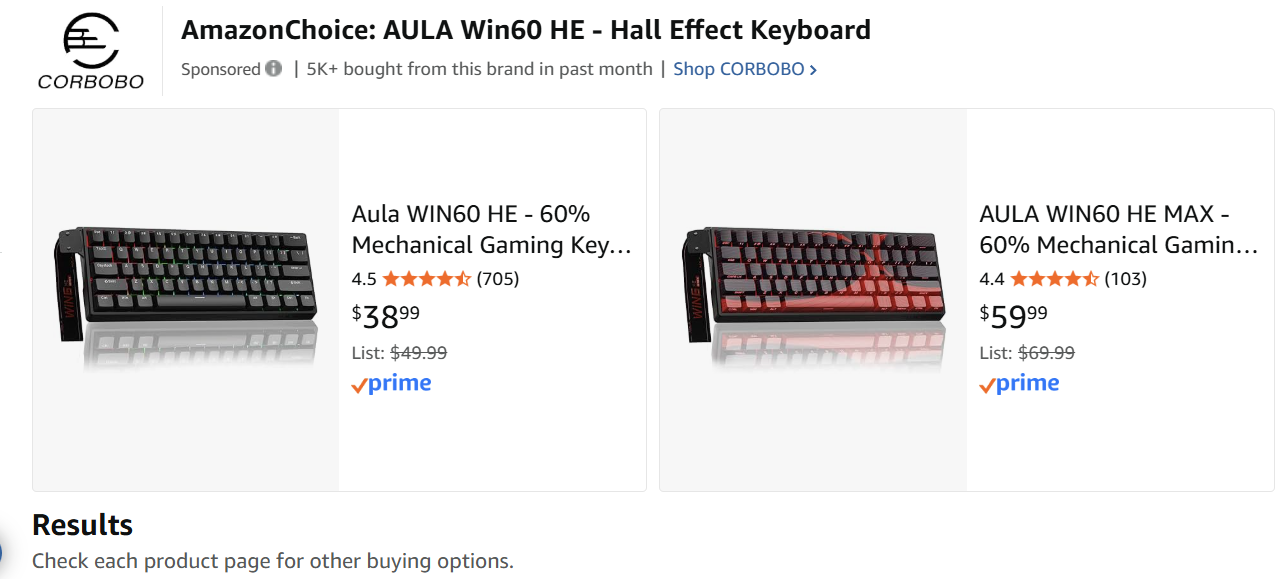
Sponsored Product Listings
Sponsored listings on Amazon, Etsy, and other eCommerce platforms are native ads because they look similar to organic product listings while being paid placements.
This format is especially common in retail media because the ad appears while someone is already comparing products. That does not guarantee a sale, but it does place the ad closer to purchase intent than many upper-funnel native formats.
Publisher Sponsored Content
Sponsored publisher content is designed to match the surrounding editorial experience while being labeled as paid advertising. This could appear as a sponsored article, branded content hub, paid program, or advertiser-funded editorial-style placement.
For example, major publishers often operate branded content studios where advertiser-funded content is presented in a publisher-style format but labeled separately from newsroom editorial content. This is where disclosure matters most.

Content Recommendation Ads
Content recommendation ads often appear below or near articles as suggested content modules. These placements may be labeled with terms like “Sponsored Content,” “Recommended,” “Promoted,” “Around the Web,” or “You May Also Like,” depending on the publisher and platform.
They are commonly used to promote blog posts, guides, advertorials, products, or lead-generation offers. They can be useful for content distribution, but marketers should watch engagement quality closely. A lower cost-per-click does not necessarily mean the traffic is valuable if users leave quickly or never move deeper into the funnel.

Native Video Ads
Native video ads appear in video-first environments or content feeds where users already expect to see video. This can include social feeds, publisher video players, in-app placements, and streaming environments.
The advantage is contextual fit. The ad format matches how users are already consuming content on the platform. The challenge is attention. Video requires a higher level of engagement than a headline, image, or product listing, so the creative needs to communicate value quickly.

How to Identify Native Advertising
Native advertising is designed to match the surrounding experience, but it should still make the paid relationship clear. The goal is contextual relevance, not concealment.
Because native ads often look similar to the content, listings, or posts around them, advertisers and publishers generally need to use clear disclosure when the paid nature of the placement may not be obvious to users. That disclosure does not always use the same wording or appear in the same location. It can vary by platform, publisher, and ad format.
The FTC's Native Advertising Guide for Businesses states that an advertisement should be identifiable as an ad to consumers, and that disclosure is required whenever the paid nature of a placement is not clear from the surrounding context.
Common native advertising disclosure labels may include:
- Sponsored
- Promoted
- Ad
- Paid partnership
- Brand partner
- Presented by
- Paid program
- Sponsored content
In Social Feeds
Look near the brand name or account handle. Native social ads usually include labels like “sponsored” or “promoted.”
In Search Results
Paid search listings are designed to look similar to organic search results, but they are labeled as sponsored placements.
On Publisher Sites
Publisher native ads may include labels like “Brand Contributor,” “Paid Program,” “Sponsored,” or similar disclosures. These labels usually appear near the article title, author byline, or content module.
On eCommerce Sites
Promoted listings often look like organic search results, except the brand has paid for placement and the listing includes a small “sponsored” label.
Does Native Advertising Actually Work?
Yes native advertising works, but it depends on what you are asking native ads to do. Native display now makes up roughly 65% of US digital display spend, per eMarketer, reflecting how much of the display ecosystem has moved into native formats over the last several years.
Native ads can be effective because they are built to match the environment where they appear. That usually makes them less disruptive than standard display ads and more likely to earn attention from users who are already browsing, reading, watching, or shopping.
But “does it work?” is the wrong question to ask unless you define the job native advertising is supposed to do. Native ads are often strongest for:
- Building awareness
- Driving qualified traffic to content
- Supporting mid-funnel education
- Promoting thought leadership
- Reaching users in contextually relevant environments
- Extending programmatic campaigns beyond standard display placements
Native advertising is not always the cleanest channel for immediate last-click conversions. A native campaign may drive strong engagement and assisted conversions, but look weaker if it is judged only against bottom-funnel search or retargeting campaigns.
That is where marketers need to be careful. Native advertising can be valuable, but it is not magic. Performance depends on the audience, placement quality, creative, landing page, offer, and measurement model. When those pieces line up, native ads can create a better experience for both brands and users because they feel more relevant and less interruptive than traditional ad formats.
Pros and Cons of Native Advertising
Native advertising can be effective, but it is not automatically the right fit for every campaign. The format has clear advantages, especially for content-driven and awareness-focused campaigns, but it also comes with measurement and transparency challenges.
Benefits of Native Advertising
Native advertising can support several marketing goals when the placement, creative, and audience are aligned.
Common benefits include:
- Less disruptive ad experience: Native ads are designed to match the surrounding content or platform format, which can make them feel more relevant than standard display ads.
- Stronger fit for content promotion: Native formats work well for promoting articles, guides, reports, videos, and other educational assets.
- Contextual relevance: Native ads can appear in environments where the surrounding content relates to the advertiser’s message.
- Mid-funnel engagement: Native advertising can help move users from awareness into consideration by giving them a reason to engage with useful content.
- Programmatic scale: Programmatic native advertising can extend reach across publisher sites, apps, and content platforms while using audience targeting and automated bidding.
Potential Drawbacks of Native Advertising
The same qualities that make native advertising useful can also create challenges.
Common drawbacks include:
- Disclosure requirements: Native ads need clear disclosure when the paid relationship may not be obvious. The FTC states that advertising can be deceptive if consumers cannot identify it as advertising.
- Variable traffic quality: Some native placements can drive inexpensive clicks, but low cost-per-click does not always mean high engagement or conversion quality.
- Measurement complexity: Native advertising often supports awareness, content engagement, and assisted conversions. If it is measured only by last-click conversions, its value may be understated.
- Creative dependency: Native ads rely heavily on the headline, image, offer, and landing page. The format can help earn attention, but it cannot compensate for weak creative.
- Platform and publisher differences: Native placements vary significantly across social feeds, publisher sites, search results, ecommerce marketplaces, and recommendation widgets.
When Does Native Advertising Make Sense?
Native advertising makes the most sense when the campaign needs more than a direct-response ad and a landing page. It is usually a better fit when the advertiser has a story to tell, a concept to explain, or content that can help move users through the funnel.
Native advertising may be a strong fit when you want to:
- Promote educational content, guides, reports, or thought leadership
- Reach users while they are reading, browsing, watching, or comparing products
- Support brand awareness or consideration campaigns
- Drive traffic to mid-funnel content before asking for a conversion
- Expand programmatic reach beyond standard display inventory
- Test contextual placements tied to specific topics or audience interests
- Support retail media campaigns with sponsored product or marketplace placements
Native advertising may be a weaker fit when the only goal is immediate conversion volume at the lowest possible CPA. It usually performs best when the ad experience matches the user’s current behavior, whether that is reading an article, comparing products, watching a video, or scrolling a social feed. Native campaigns can contribute to pipeline and assisted conversions, but they often need a different measurement approach than bottom-funnel paid search or retargeting. The channel becomes less effective when advertisers force a conversion-focused message into a placement where the user is not ready to take that action.
How to Measure Native Advertising Performance
Native advertising should be measured against the campaign objective, not against a generic benchmark. A campaign designed to distribute content should not be evaluated the same way as a branded search campaign. The user intent, placement type, and conversion path are different.
For awareness and content campaigns, useful metrics may include:
- Impressions
- Reach
- Click-through rate
- Cost per click
- Engaged sessions
- Scroll depth
- Time on page
- Video completion rate
- Content downloads
- Return visits
For consideration and lead-generation campaigns, useful metrics may include:
- Assisted conversions
- View-through conversions
- Lead quality
- Cost per qualified visit
- Cost per lead
- Pipeline influence
- Conversion rate by placement or publisher
- Retargeting audience growth
The main mistake is treating every native campaign like a last-click conversion channel. Some campaigns will produce direct conversions, especially in retail media or high-intent placements. But many native campaigns work earlier in the journey by introducing users to a brand, topic, product, or offer before they are ready to convert.
That does not mean native advertising gets a free pass. It still needs performance standards. Marketers should review placement quality, engagement metrics, lead quality, and downstream conversion behavior. If a campaign drives cheap clicks but low engagement, weak session quality, or poor lead outcomes, the media is not doing its job.
Scaling Native Advertising With Symphonic Digital
Native advertising works best when it has a clear role in the broader media mix. It can help introduce new audiences to your brand, support content distribution, and create more relevant touchpoints across the funnel. But the format needs the right targeting, placements, creative, and measurement strategy behind it.
For brands evaluating native as part of a larger paid media plan, programmatic advertising can help scale those placements more efficiently across publisher sites, apps, and content platforms.
Work with Symphonic Digital to build a native programmatic advertising strategy that aligns your audience, placements, creative, and measurement approach with your broader paid media goals.
Native Advertising FAQs
Is native advertising the same as content marketing?
No. Content marketing is the creation of useful content to attract, educate, or engage an audience. Native advertising is the paid promotion of content, products, or offers in a format that matches the surrounding platform experience. They can work together, but they are not the same thing.
Is native advertising the same as sponsored content?
Not exactly. Sponsored content is one type of native advertising, usually in the form of a paid article, video, guide, or editorial-style placement. Native advertising is broader and can also include promoted listings, in-feed ads, recommendation widgets, native video ads, and other paid formats.
Why do advertisers use native advertising?
Advertisers use native advertising to reach people in environments where they are already reading, watching, browsing, searching, or comparing products. The format can make ads feel more relevant to the surrounding experience and less disruptive than traditional ad placements.
What makes a native ad effective?
A native ad is effective when the message, format, audience, and placement are aligned. The ad should have a clear headline, relevant creative, a useful offer or content asset, and a landing page that matches what the user expected after clicking.
What are the risks of native advertising?
The main risks are unclear disclosure, low-quality traffic, weak post-click engagement, and poor alignment between the ad and the user’s intent. Native advertising can also be hard to evaluate when it is measured only by last-click conversions, especially if the campaign is designed for awareness or consideration.
Can native advertising be used for B2B marketing?
Yes. B2B advertisers can use native advertising to promote thought leadership, research reports, webinars, case studies, comparison guides, and other educational content. It is usually more effective when the offer fits a longer buying cycle rather than asking for a demo or sales conversation too early.
What should a native ad landing page include?
A native ad landing page should deliver exactly what the ad promised. If the ad promotes a guide, article, product, or report, the landing page should make that content easy to access and clearly connect to the user’s reason for clicking. A mismatch between the ad and landing page can reduce engagement and conversion quality.
How is programmatic native advertising different from direct native advertising?
Programmatic native advertising uses automated buying to place native ads across multiple publishers, apps, or content platforms. Direct native advertising usually involves buying a placement directly from a specific publisher or platform. Programmatic can help scale native placements, but it also requires stronger controls around targeting, inventory quality, creative, and measurement.

.png)
.png)
.png)


.png)