





Key Takeaways
- Native social ads are paid content built to match the format and behavior of the platform where they run, not to hide that they are ads.
- Placements include in-feed posts, short-form video, Stories, carousels, promoted creator content, and in-stream video, each with distinct creative expectations.
- Native advertising describes the format; sponsored content is one type, usually distributed through a creator, influencer, or publisher.
- Facebook, Instagram, LinkedIn, and TikTok each reward different creative behaviors, so resizing one asset across every placement usually underperforms.
- A native fit lowers friction but does not fix weak messaging, poor targeting, or a bad post-click experience, so measurement should extend past clicks to traffic quality and conversion.
Related Content: What is Native Advertising Native Advertising Examples Native Advertising vs Sponsored Content
Native advertising on social media is paid content designed to match the look, feel, and behavior of the platform where it appears. US native display ad spending is forecast to reach $147.98 billion in 2026, up 13.1% year over year, according to eMarketer, and social platforms are a primary destination for that spend. Instead of interrupting the user experience, native social ads fit naturally into feeds, Stories, Reels, video placements, messages, and other platform-specific environments.
That does not mean the ad should feel hidden or misleading. Strong native advertising is clear, useful, and relevant. It feels built for the channel while still making the brand, offer, and next step easy to understand.
For marketers, that balance matters because people scroll quickly and ignore content that feels generic, disruptive, or disconnected from what they came to the social media platform to do. The point is not to make the ad invisible. It is to make the ad feel appropriate for the placement while still being transparent about what is being promoted.
How Native Ads Appear on Social Media
Native ads can appear across social platforms in the same environments where users already scroll, watch, read, message, and interact. Depending on the channel, that may include in-feed posts, short-form video, Stories-style placements, carousel units, promoted creator content, message placements, in-stream video, or sponsored professional content.
That means a native social ad could look like:
- A sponsored post in a social feed
- A vertical video ad built for short-form viewing
- A carousel ad that matches the browsing experience
- A promoted creator or influencer post
- A sponsored post in a professional feed
- A video ad that appears between organic videos
- A promoted post designed for mobile scrolling
The format changes by platform, but the goal is the same: make the ad feel appropriate to the environment while keeping the brand, offer, and next step easy to understand. A native placement may lower friction, but it does not fix weak messaging, poor targeting, or a bad post-click experience.
Native Ads vs Sponsored Content
Native advertising and sponsored content are closely related, but they are not the same thing. Native advertising is the broader category. It includes paid ads designed to match the format, style, and experience of the social media channel where they appear.
Sponsored content is one type of native advertising. It usually refers to brand-funded content published through a media partner, influencer, creator, or publisher. On social media, that might include a creator partnership, paid influencer post, or sponsored article promoted through a social platform.
In simple terms, native advertising describes the format. Sponsored content describes one way brands create and distribute that format. The distinction matters because format can help an ad fit the environment, but it cannot make a weak message useful or a poor audience match perform.
Native Ads on Social Media Platforms
Native ads show up differently depending on the platform, placement, and campaign goal. On social media, they usually appear inside the same environments where users already watch videos, scroll posts, read updates, or interact with brands.
Native Ads by Social Media Platform
Facebook Native Ads
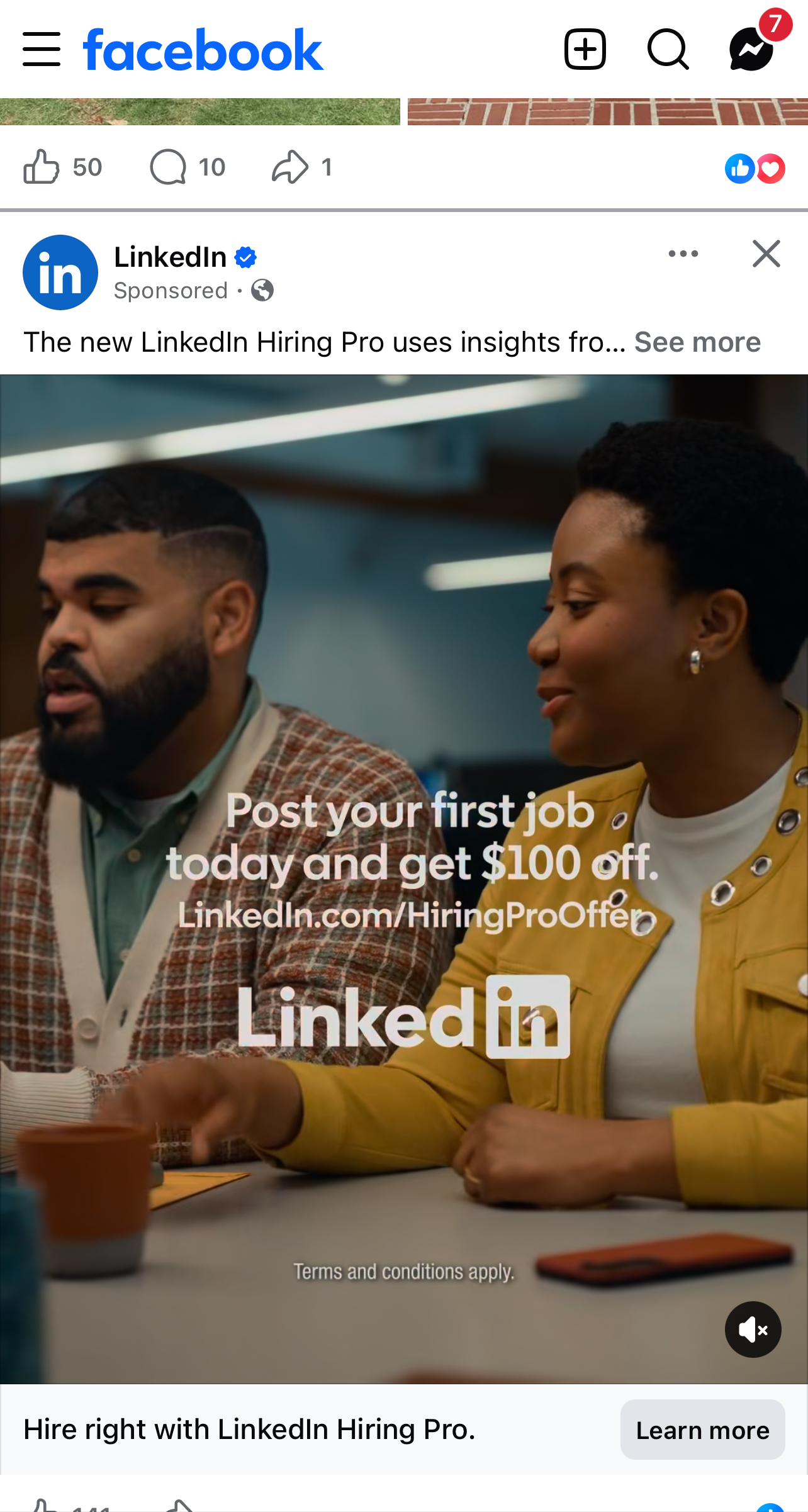
Facebook native ads are paid, in-feed placements that appear inside Facebook, Instagram, Messenger, and the wider Meta ad network, styled to match the organic content around them. They are often used to reach broad audiences across social, video, messaging, and discovery environments. Because delivery can span multiple surfaces, advertisers should avoid treating every placement as equal. Advertisers should review placement-level breakdowns, not just campaign-level totals, to understand where spend is actually driving results. A native ad may look natural in more than one environment, but performance can vary depending on user intent, creative format, and what action the campaign is trying to drive.
Instagram Native Ads
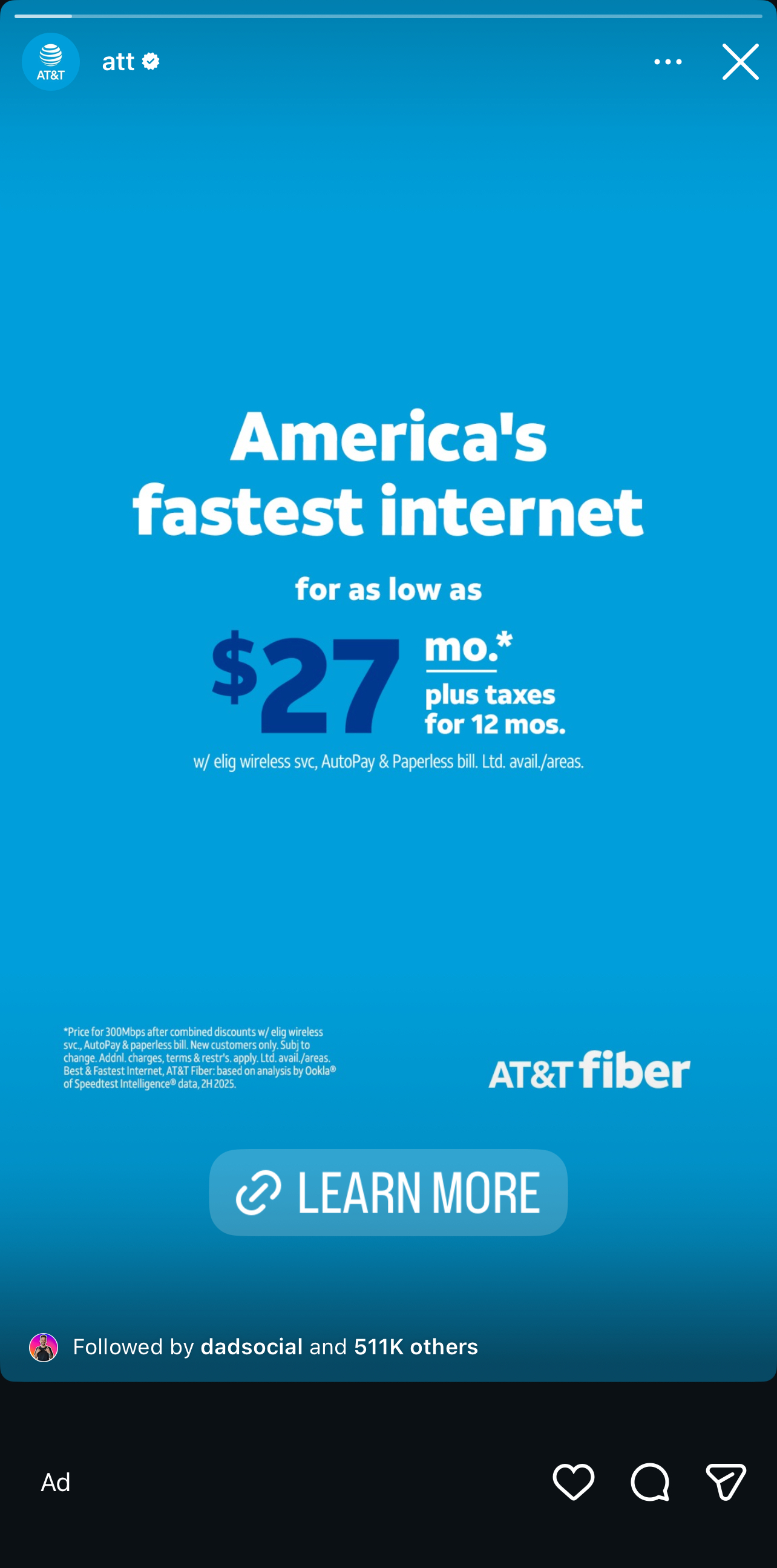
Instagram native ads usually depend on strong visual clarity and fast message delivery. The creative needs to make sense quickly, especially in mobile-first environments where users are swiping, tapping, or watching short-form content. A polished ad can still underperform if the hook is slow or the offer is not clear.
LinkedIn Native Ads
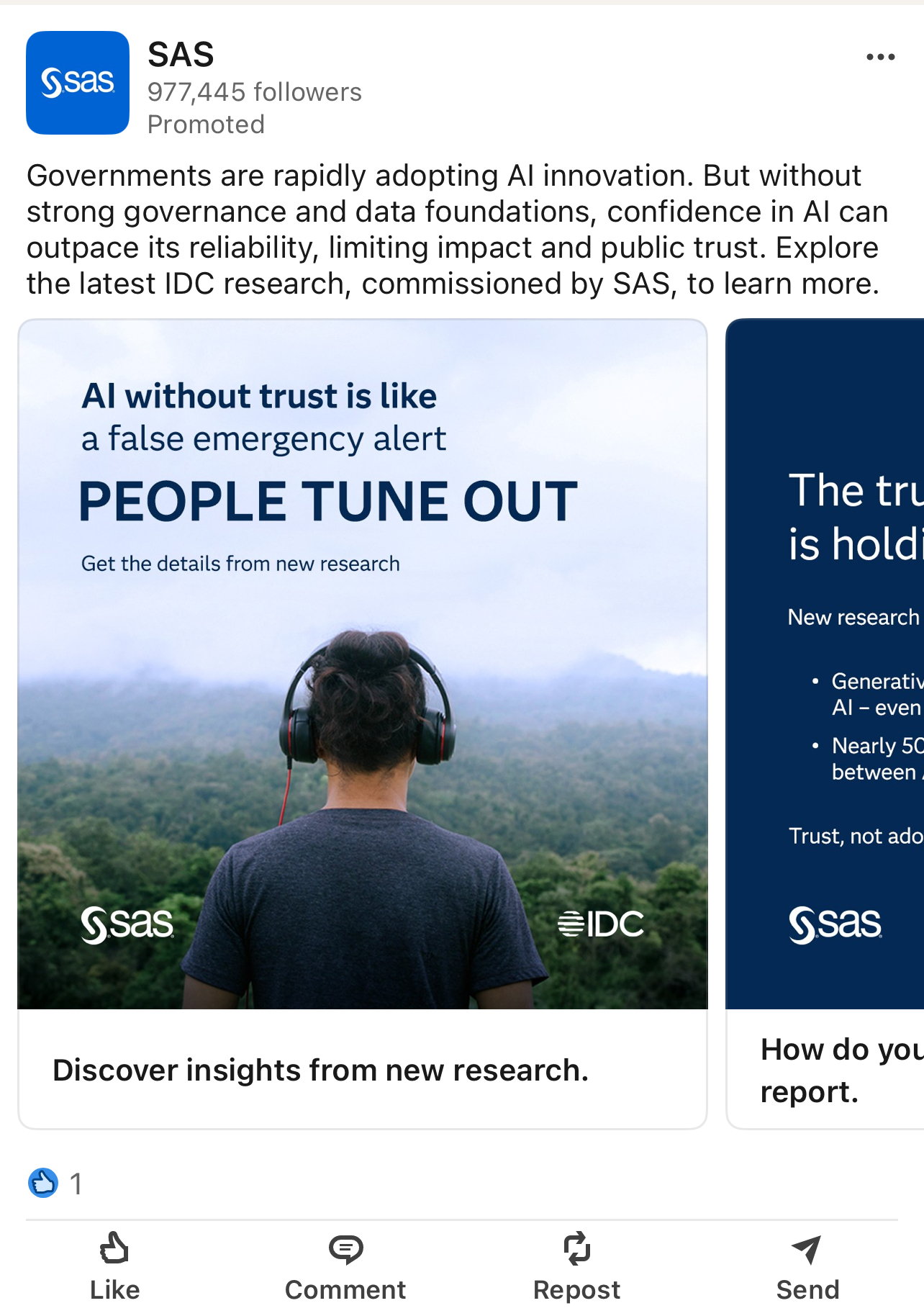
LinkedIn native ads are paid Sponsored Content, video, Document, and Message placements that appear inside the LinkedIn feed and messaging environment, formatted to blend with organic professional content. They are built around professional context. The same native principles apply, but the audience is usually evaluating content through a business lens. For B2B advertisers, the tradeoff is often higher media cost but stronger audience relevance, so lead quality and pipeline impact matter more than low-cost clicks.
TikTok Native Ads

TikTok native ads rely heavily on platform-specific creative behavior: fast hooks, vertical video, native editing styles, and content that feels close to what users already watch. But “TikTok-style” creative is not a strategy by itself. The ad still needs a clear reason to watch, click, or act.
Best Practices for Native Advertising on Social Media
Match the Creative to the Placement
A native ad should feel like it belongs where it appears. Reels, Stories, Feed posts, carousels, and LinkedIn Sponsored Content each have different creative expectations. Build for the placement instead of forcing one asset into every format. Resizing one asset for every placement is usually not enough. The pacing, framing, copy, and CTA need to match how that placement is consumed.
Keep the Message Clear and Engaging
Native does not mean vague. Users should quickly understand who the ad is from, why it matters, and what they should do next. Strong native ads combine platform-friendly creative with a clear and engaging offer or takeaway.
Prioritize Mobile Behavior
Most social engagement happens in fast, mobile-first environments, with DataReportal reporting 5.79 billion active social media users worldwide as of April 2026 and mobile driving the majority of that activity. Keep copy tight, visuals easy to understand, and landing pages simple to use on smaller screens. The landing page should feel as easy to use as the ad is to consume. Otherwise, strong engagement can turn into weak conversion performance.
Avoid Overproduced Creative When It Hurts Fit
Highly polished creative can work, but not every social platform rewards it. Some placements perform better when the creative feels direct, useful, and closer to the content users already consume. Production value should support the placement, not fight it.
Make the Content Relevant to the Audience
It’s tempting to try and make content that’s broadly appealing, but it’s always best to narrow your focus to a specific target audience. Native social ads work best when the message matches the audience’s needs, pain points, and stage in the buying journey. Broad creative may drive more engagement, but that does not always mean it is attracting the right audience.
Measure More Than Clicks
Clicks matter, but they do not tell the full story. Track the quality of traffic, landing page behavior, lead quality, conversion rate, and assisted impact across channels. Native social campaigns should connect back to your broader paid media strategy. A native ad that drives cheap clicks but poor-fit traffic is not outperforming. It is just making the platform metrics look better than the business results.
Make Native Social Ads Part of a Smarter Paid Social Strategy
Native advertising on social media works best when it is part of a focused paid social strategy. The platform, placement, creative, audience, landing page, and measurement plan all need to work together to support real business goals. A native ad that feels natural to the platform still needs to prove it can drive the right traffic, leads, or conversions.
Symphonic Digital helps brands build paid social campaigns that feel native to each platform and stay accountable to performance. Learn more about our paid social media and programmatic advertising services, or contact us to talk through how native advertising could fit into your broader digital media strategy.

.png)
.png)
.png)


.png)






